
Against the backdrop of nationwide promotion of intelligent construction, the modular construction industry has stepped into a new phase of large-scale development. Different from conventional cast-in-situ construction, modular buildings are fully prefabricated in factories with finished structures, pipelines and interior finishes. Complete modules are transported to sites for hoisting and assembly, realizing “building houses just like manufacturing cars”. This method greatly shortens construction cycles, stabilizes quality and reduces on-site pollution, making it a key route for the transformation and upgrade of the construction industry.
On the policy front, the national development plans and urban renewal documents support the adoption of intelligent construction, prefabricated and modular buildings. Many regions have launched pilot schemes and incentive policies, refining technical standards and acceptance codes to remove barriers for large-scale application. The old stereotype that modular buildings are only suitable for temporary use is fading fast.
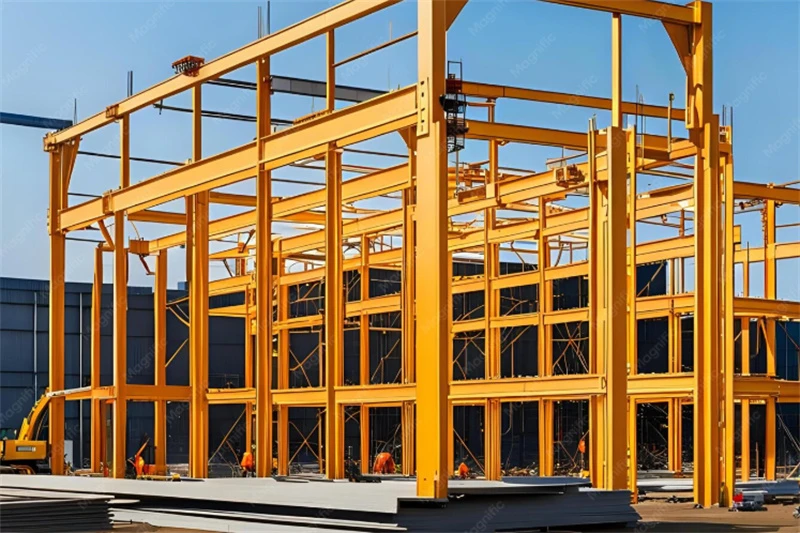
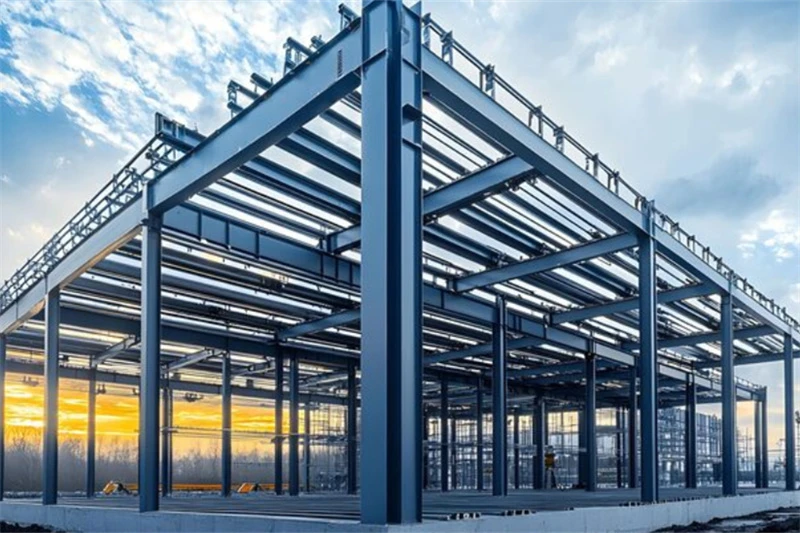
Trend 1: Maturing Standardization Systems Balancing Mass Production and Customization
Early modular products suffered from inconsistent sizes and poor compatibility, limiting mass replication. Today the industry is forming unified modular coordination, structural and interface standards to enable interoperability between modules from different manufacturers. Meanwhile, customization options remain available. Layouts, facades and functional configurations can be adjusted to meet project requirements, balancing cost-effective mass production and personalized designs for rural homes, tourist resorts, office buildings, dormitories and medical facilities.
Trend 2: Full Digital Penetration — BIM & Unique Coding Enable Smart Construction
Digitalization will be the core growth driver for modular construction. BIM collaborative design, automated fabrication on flexible factory lines, unique ID coding for each module, logistics tracking, hoisting supervision and post-construction asset management form a full lifecycle traceable system recording structural, piping and equipment data. AI inspection, automated production lines and AGV warehouses are gradually adopted to improve precision and cut human errors.
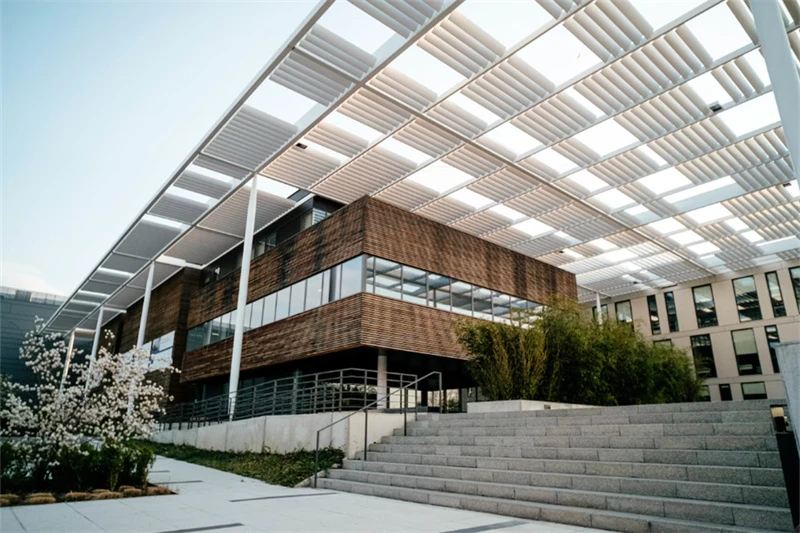

Trend 3: Low-Carbon & Energy-Efficient Design Aligns with Carbon Neutrality Goals
Built inside controlled factory environments, modular construction can cut construction waste by over 70%, with far less material waste, dust and noise. Combined with passive house technology, advanced thermal insulation, building-integrated photovoltaics and rainwater harvesting systems, ultra-low-energy modular buildings can be delivered. Their dismountable, relocatable and reusable features turn buildings into recyclable assets, well matching global green and low-carbon requirements, which are highly valued by overseas buyers.
Trend 4: Expanding Application Scenarios from Temporary to Permanent Buildings
Modular construction is breaking its original boundaries. It was once widely used for site offices and emergency shelters. Now demand is booming for permanent residences, rural housing, tourist hotels, school dormitories, industrial supporting facilities and overseas infrastructure. Mature steel modules and steel-concrete composite modules meet international codes for seismic resistance, fire safety and durability. Multi-story modular projects are increasingly common, not limited to low-rise structures.
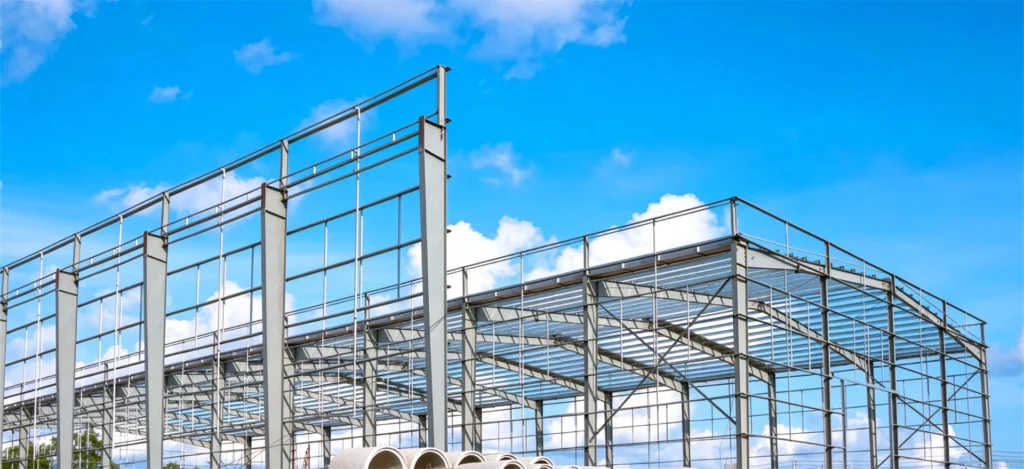
Trend 5: Improved Industrial Chain Fuels Export Growth of Modular Buildings
China’s complete supply chain for steel structures, electromechanical systems and interior fittings supports fast growth of packaged modular housing exports to Southeast Asia, the Middle East, Oceania and other markets. Manufacturers are getting familiar with local codes and international certifications. Business models are upgrading from product supply to one-stop services covering design, fabrication, shipping and on-site guidance. Chinese modular construction solutions are emerging as a competitive export category.
Industry insiders note that future competition will no longer focus merely on pricing. Core competitiveness will lie in standardization capability, digital delivery systems, low-carbon solutions and end-to-end service. As public awareness rises, costs keep falling and regulatory frameworks improve, modular construction will unlock huge market potential in urban renewal, rural revitalization and overseas engineering, becoming an important track for high-quality development in the construction sector.